

- Over 50,000 people displaced at Makoko
- At least 42 people died at Oworonshoki and Makoko
- Schools and medical centres demolished without due process
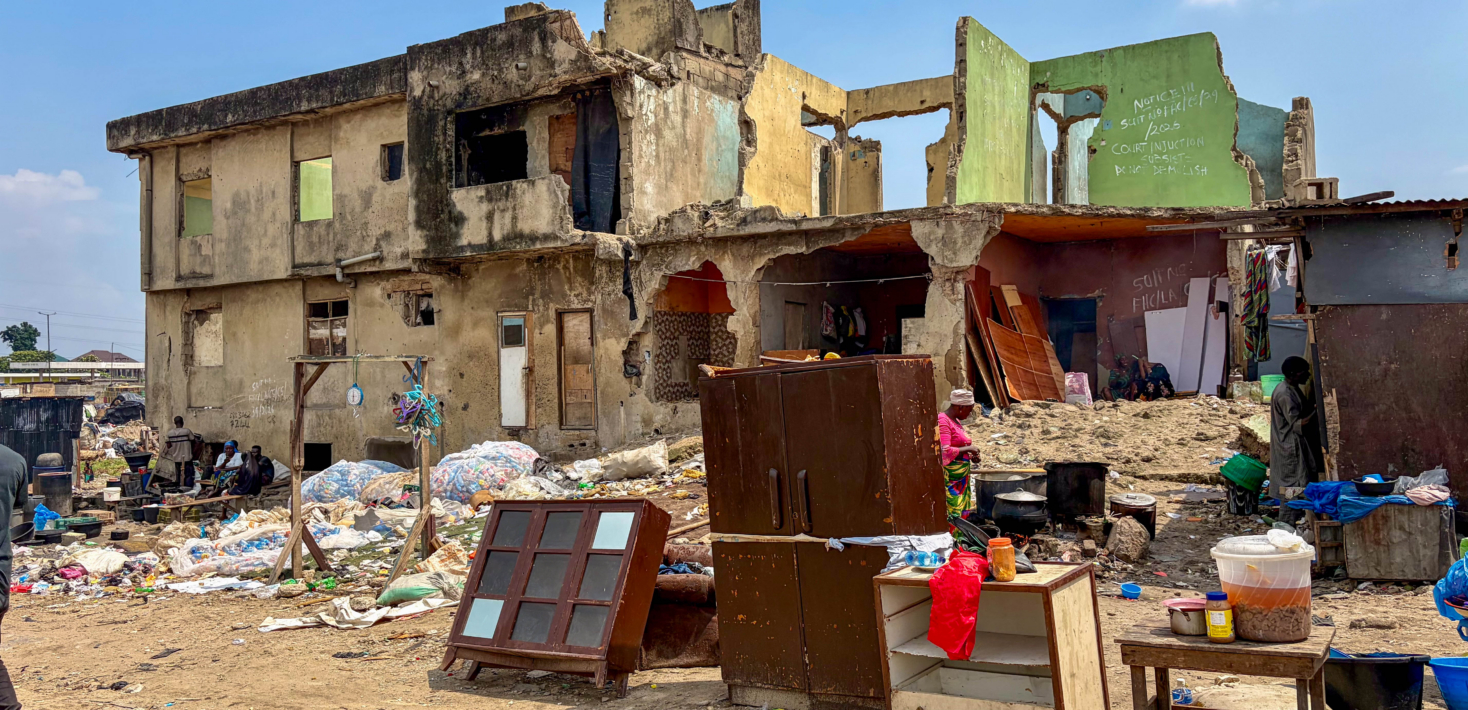
The Nigerian authorities must immediately halt ruthless forced evictions by Lagos State government targeting people living in poverty, displacing families, causing deaths, destruction of schools, medical centres, and livelihood. From December 2025 to January 2026, 50,000 residents were displaced at Makoko alone, and 5000 homes were destroyed in the latest round of violent forced evictions at Makoko, Oworonshoki, and Mile 12.
Research conducted between 12 and 16 October 2026 details continued forced evictions targeting people living in poverty at Makoko, Oworonshoki, and Mile 12, with homes destroyed and people displaced without due process. In some cases, police worked alongside thugs to unleash violence in these communities.
“Since March 2016, Lagos State has been carrying out forced evictions that are clearly aimed at excluding people living in poverty in the process of building what is called a mega Lagos. These are carried out without consultation, adequate notice, or alternative housing,” said Isa Sanusi Director, Amnesty International Nigeria.
“What we have seen at Makoko and Oworonshoki during this investigation is a shocking disregard for due process. In some cases, families had bulldozers demolishing their homes while they were still asleep. Deaths from trauma because of these evictions are evidence enough that the Lagos State government must be held accountable,” said Isa Sanusi.
The most recent demolition operation also destroyed 42 schools and 20 healthcare clinics, alongside places of worship. Residents reported that at least 12 people died in circumstances connected to the demolitions, including deaths reportedly linked to tear gas exposure and structural collapse.
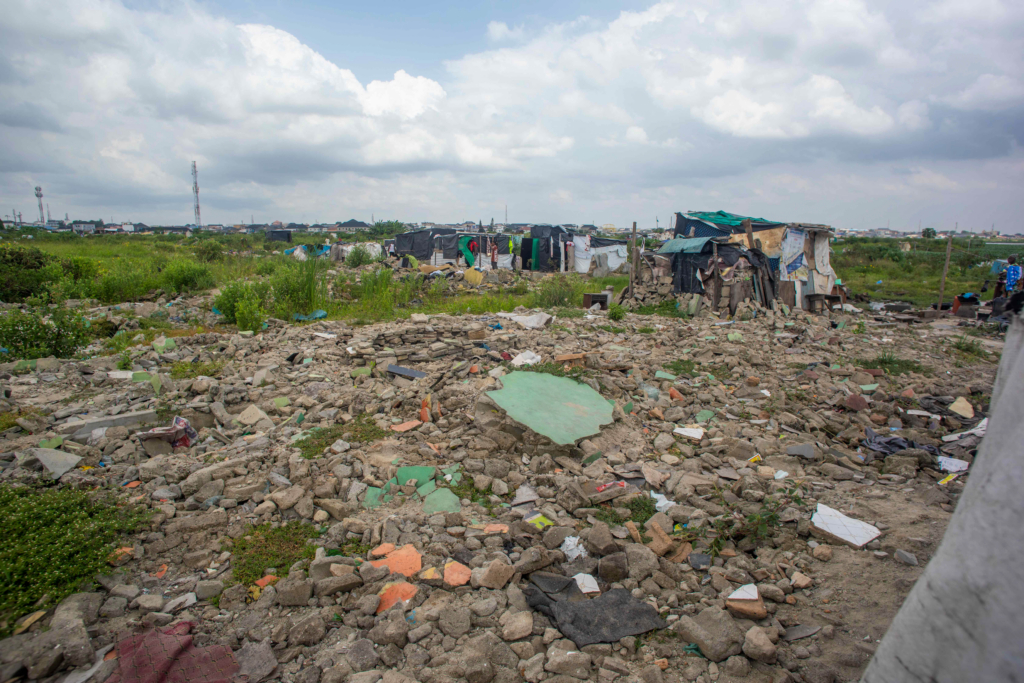
In Oworonshoki’s Mosafejo and Idiaraba communities, more than 30 deaths have been linked by residents to the trauma, medical neglect, and exposure following demolitions. The operations also destroyed more than 30 private schools, over 25 churches, and 10 mosques. Residents of Mile 12 separately reported that more than 250 houses had been demolished in one area, leaving families homeless without adequate notice, compensation, or alternative accommodation. At least 14 residents were reportedly arrested and detained for about a month following protests in Oworonshoki.
“I am the father of three children. Unfortunately, I lost two of my children in circumstances directly connected to the demolition. This has brought terrible pain and suffering to my family,” a resident from affected communities told Amnesty International.
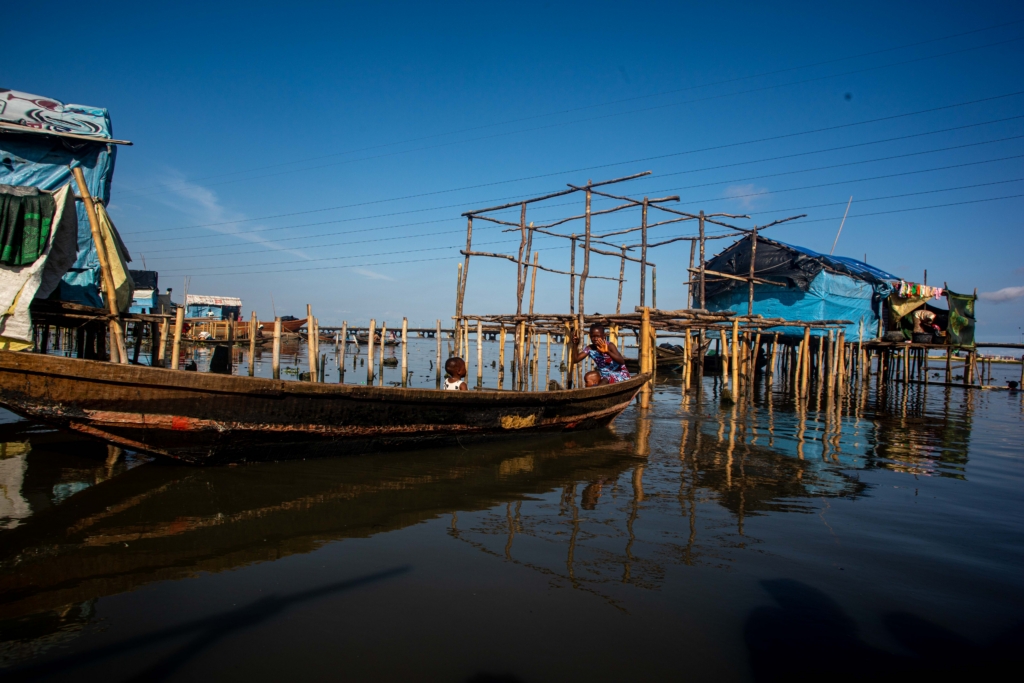
The ‘demolitions’ have destroyed livelihoods and cut communities off from essential services. Families dependent on fishing in Makoko lost homes, boats, nets and engines, while displaced children, pregnant women and older people face difficulties accessing education, healthcare and adequate shelter. Residents also reported the use of tear gas, physical assaults and arrests of people peacefully protesting against the destruction of their homes.
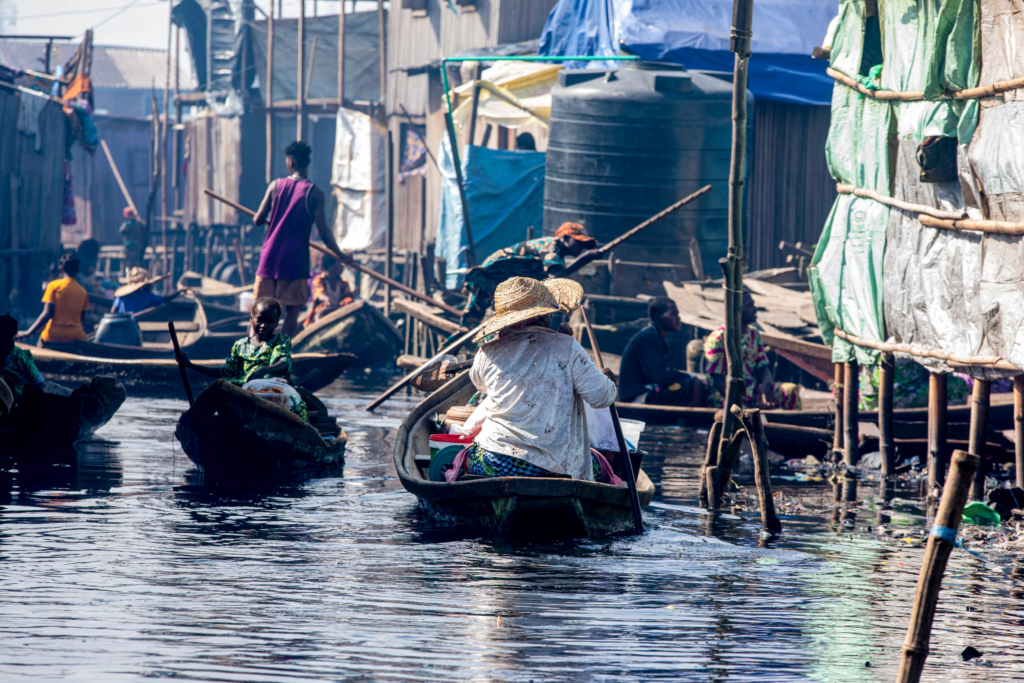
Amnesty International gathered from affected residents that the community was initially informed that the demolition exercise would be limited to buildings beneath high-tension electricity lines. However, the demolitions extended significantly beyond the area residents believed would be affected, destroying thousands of homes and leaving families without adequate shelter.
Residents had challenged the demolition in court and obtained a Federal High Court judgment in July 2025 restraining the Lagos State Government from demolishing the community. However, the demolitions subsequently proceeded despite the judgment.
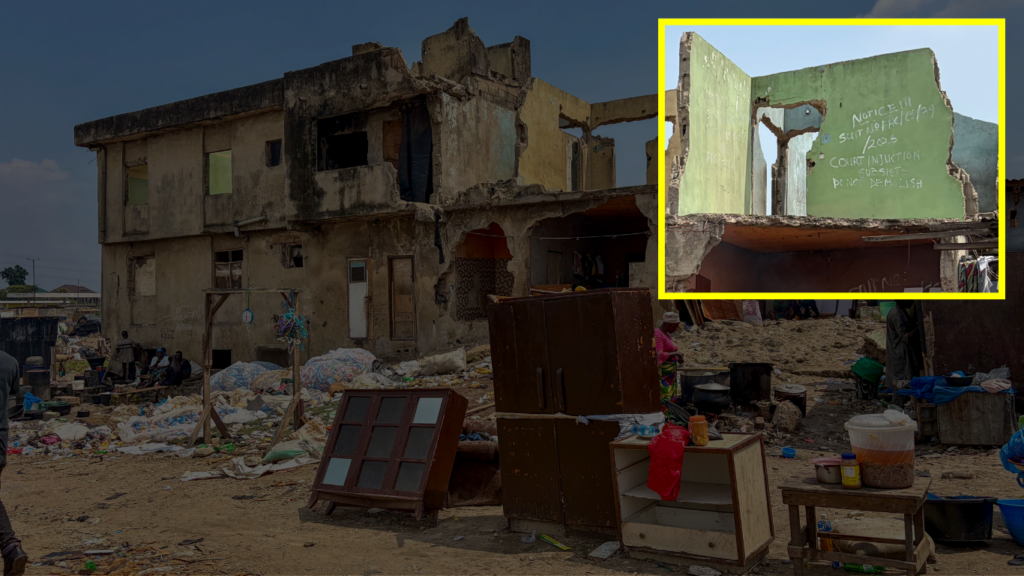
“The government of Lagos State is increasingly and deliberately failing to ensure that evictions comply with human rights standards and court orders, provide affected families with adequate shelter, compensation where required and access to essential services, and guarantee that people living in poverty are treated with dignity and are not arbitrarily rendered homeless, arrested or detained,” said Isa Sanusi
Lagos State government must undertake an inquiry into recent and previous forced evictions carried out contrary to Nigeria’s international legal obligations, without genuine consultation with affected communities, adequate prior notice, compensation or alternative housing. Punishing people living in poverty for the government’s urban planning failures in Lagos must end now.
BACKGROUND
Since December 2025, the government of Lagos State has intensified violent forced evictions across settlements such as Oworonshoki (Mosafejo, Idiaraba, Precious Seed), Makoko Waterfront, Olubori, Ojileru, Coker Community, and Mile 12; state authorities have repeatedly carried out forced evictions and sweeping demolitions without genuine consultation, adequate advance notice, or legal due process. Since 2016, Amnesty International has been documenting patterns of ruthless forced evictions across Lagos that cost lives and livelihoods: Lagos Forced Evictions of Waterfront Communities.